




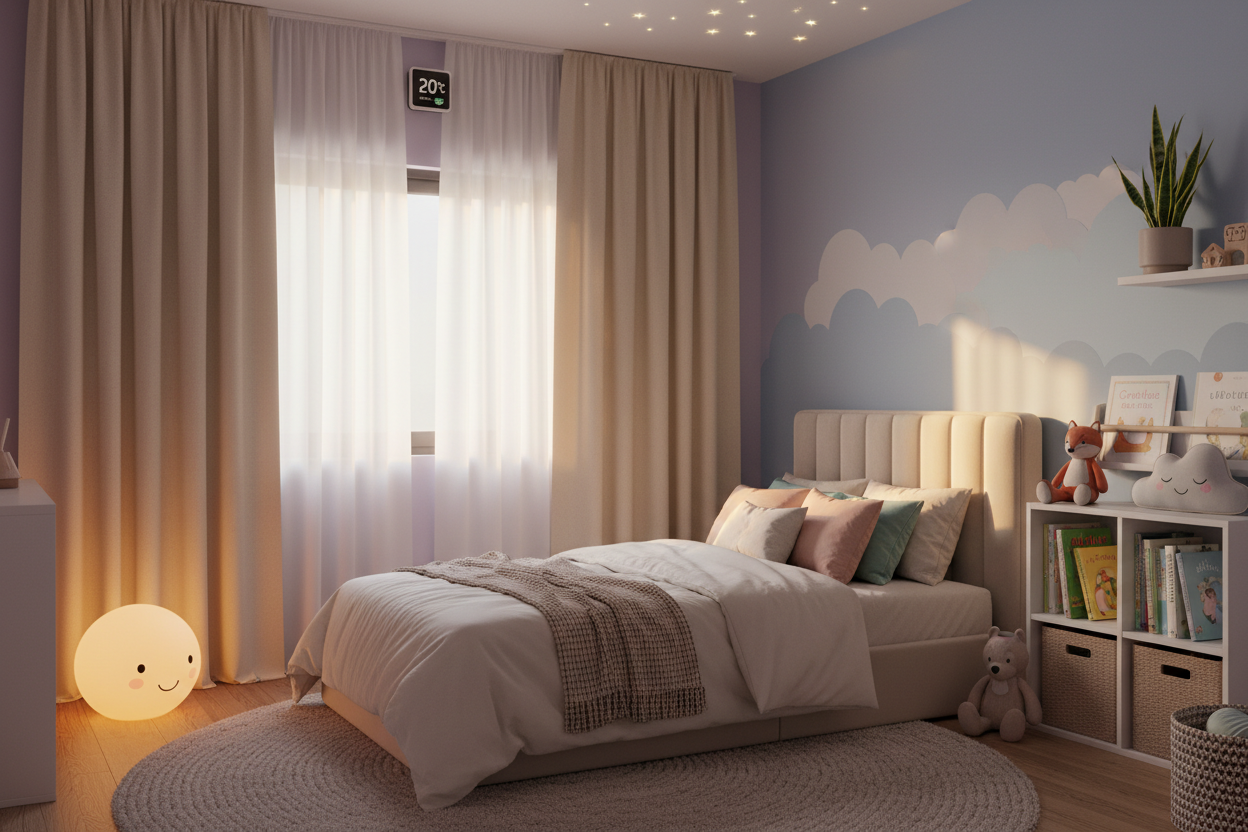
Creating a healthy sleep environment for your child goes far beyond choosing pretty bed linen or decorating the room. A child’s bedroom should be a space that promotes deep, restorative sleep and supports their physical development. From the mattress they sleep on to the air they breathe, each element plays a meaningful role in their health. Here are seven simple, practical steps to help you set up a safer, cleaner and more comfortable sleep environment for your child.
Step 1: Choose a Non-Toxic, Supportive Mattress
Your child’s mattress is the foundation of their sleep health. Children are more sensitive to chemicals and allergens, so selecting a mattress made with non-toxic, low-VOC materials is essential. Eco Kids mattresses are designed specifically for growing bodies, featuring breathable fabrics, hypoallergenic components and supportive hybrid construction that encourages proper spinal alignment.
If you’re upgrading your child’s entire setup, the Eco Kids Mattress Bundle offers an excellent all-in-one solution, combining comfort, safety and convenience in one package.
Step 2: Use a Breathable, Waterproof Mattress Protector
A high-quality mattress protector keeps your child’s sleep surface clean while helping extend the life of the mattress. Look for one that is waterproof, breathable and hypoallergenic. This prevents the build-up of sweat, dust mites and bacteria, which can trigger allergies or disrupt sleep. Eco Kids offers a range of protective bedding essentials to help maintain a hygienic sleep environment.
Step 3: Choose the Right Pillow for Their Age
Many parents overlook how important the right pillow is for a child’s posture. Young children often require a low-profile pillow to avoid straining their neck, while older kids may need a medium-height pillow that supports their head and shoulders. Avoid overly soft or high pillows, as these can cause misalignment, especially during growth spurts. A supportive, breathable pillow helps maintain comfort throughout the night and contributes to healthier sleep habits.
Step 4: Keep the Room Cool, Dark and Quiet
Temperature, light and sound all influence how well children sleep. A cool room—ideally between 18–20°C—helps regulate body temperature and reduces night-time restlessness. Use block-out curtains to keep the room dark and promote melatonin production, particularly during early bedtimes in summer months. If noise is a concern, a white noise machine or soft background hum can help mask outside disturbances, enabling children to sleep more soundly.
Step 5: Reduce Dust, Clutter and Allergens
A clutter-free room not only feels calmer but also helps reduce allergens. Dust mites thrive in soft furnishings, so wash bedding regularly and vacuum carpets weekly. Using an air purifier can also help improve indoor air quality, especially for children with asthma or seasonal allergies. Avoid harsh cleaning chemicals and instead opt for child-safe, natural cleaning products wherever possible. These small changes make a big difference to your child’s breathing and comfort.
Step 6: Establish a Consistent Bedtime Routine
A healthy sleep environment isn’t just physical—it’s behavioural too. Children sleep better when they follow a predictable routine. Aim for a calming wind-down period 30–60 minutes before bedtime. This may include reading, gentle stretching, dimming lights or quiet conversation. Try to limit screen time before bed, as blue light can interfere with melatonin and delay sleep. Consistency helps your child feel secure and signals to their body that it’s time to rest.
Step 7: Know When It’s Time for a Mattress Upgrade
As kids grow, their sleep needs change. Signs that it may be time to upgrade include morning aches, sagging in the mattress or complaints of discomfort. A high-quality children’s mattress typically lasts many years, but growing bodies occasionally need more space or improved support. If your child has outgrown their current bed, explore Eco Kids’ range of kids mattresses, which are designed to support every stage of childhood and adolescence.
Final Thoughts
Setting up a healthy sleep environment for your child doesn’t have to be complicated. By focusing on clean air, safe materials, proper posture support and predictable routines, you can dramatically improve their nightly rest and long-term wellbeing. Whether you’re refreshing their bedroom or beginning from scratch, Eco Kids offers a range of thoughtfully designed products to help children sleep comfortably, safely and peacefully.


