




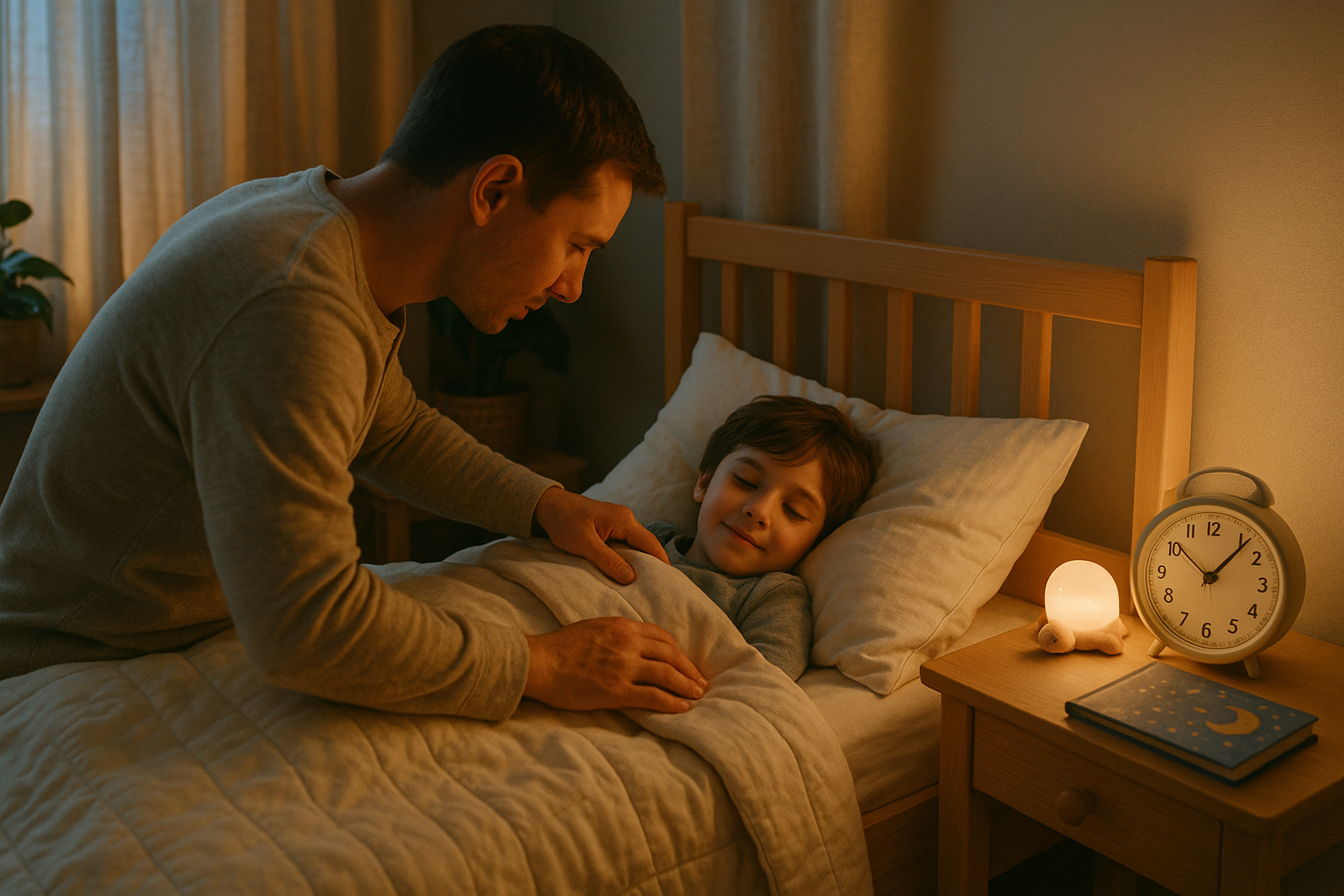
Daylight savings can be a welcome sign of longer evenings or shorter days, depending on the season. But for parents, it often means one thing — sleep chaos.
When the clocks shift, even by just one hour, it can disrupt your child’s internal rhythm and lead to cranky mornings, late-night restlessness, and those dreaded sleep meltdowns.
Here’s how Aussie parents can help their little ones adjust to daylight savings smoothly — and without losing sleep themselves.
1. Start Adjusting Early
Don’t wait until the night before the clock changes.
Begin shifting bedtime 10–15 minutes earlier (or later) each night during the week leading up to daylight savings. This gradual adjustment helps your child’s body clock adapt gently without stress or overtiredness.
2. Keep Bedtime Routines Consistent
Children thrive on predictability. During daylight savings transitions, keep bedtime routines the same — bath, book, cuddle, and lights out.
Familiar rituals cue the brain that it’s time for sleep, even when it’s still light outside. Consistency helps your child’s internal clock reset faster and reduces bedtime resistance.
3. Make the Room Sleep-Ready
With lighter evenings or earlier mornings, light control becomes crucial.
Use blackout curtains to block lingering sunlight and promote melatonin production, the hormone responsible for sleepiness.
A cool, clutter-free, and calming environment — paired with a comfortable, non-toxic mattress like the Eco Kids Mattress — makes it easier for kids to fall and stay asleep. Explore full Bedroom Bundles for a complete, sleep-friendly setup.
4. Embrace Morning Light
Morning light exposure helps reset the body’s circadian rhythm after a clock change.
Open the curtains early or get outside for some sunshine within 30 minutes of waking up. This helps reinforce your child’s new wake-up time naturally and keeps their mood and energy balanced throughout the day.
5. Avoid Overtiredness
If your child is struggling with the time shift, avoid pushing bedtime too late.
Offer a quiet rest period or short nap in the afternoon to prevent evening meltdowns. When kids are overtired, it becomes even harder for them to fall asleep — and stay asleep.
6. Support Sleep with the Right Mattress
During transitions like daylight savings, comfort is everything.
The Eco Kids Mattress is made with:
-
100% natural cotton and bamboo lyocell fabric for breathability
-
GECA-certified foam that’s free from harmful chemicals
-
A Chiro Flex ES spring system offering 60% stronger spinal support
Together, these features help children stay comfortable, cool, and supported — even when their sleep schedule shifts.
You can also pair it with eco accessories from the Accessories Collection for an all-natural sleep setup.
7. Stay Patient and Flexible
Every child adjusts differently. It may take a few days to a week for their body clock to settle. Offer extra comfort, stick to familiar cues, and celebrate small wins.
With patience, consistency, and a healthy sleep environment, your family will be back on track in no time.
Frequently Asked Questions
Why does daylight savings affect kids’ sleep so much?
Even a one-hour change can disrupt the body’s natural circadian rhythm, making it harder for kids to fall asleep or wake up at the right time.
How long does it take for kids to adjust to daylight savings?
Most children adapt within 5–7 days if parents keep routines consistent and use light exposure strategically.
Can a better mattress really help during daylight savings?
Yes! A comfortable, breathable mattress like the Eco Kids Mattress promotes deeper, more restorative sleep — helping kids adjust faster to time changes.


