



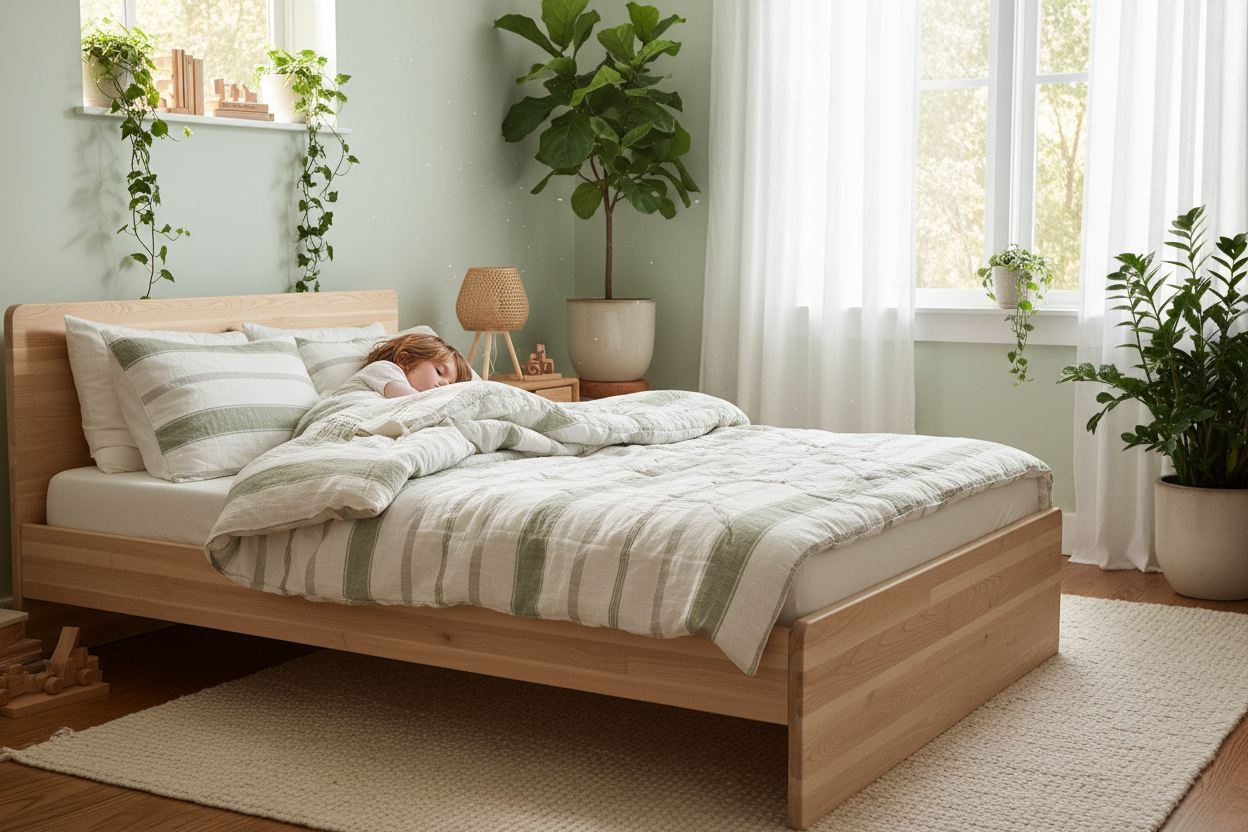
Picking a mattress for kids with asthma or respiratory sensitivities is about more than comfort. It is about creating a sleep surface that does not trap unnecessary irritants, off‑gas strong smells or make nighttime coughing and congestion worse.
This guide explains what to look for in a mattress for kids with asthma, how to think about materials, dust‑mites and VOCs, and where a hypoallergenic kids mattress Australia families can trust – such as Eco Kids – fits in.
Why Mattresses Matter For Kids With Asthma
Kids spend more time asleep than adults, which means they spend more hours with their nose and mouth close to the mattress surface. For children with asthma, hayfever or other respiratory sensitivities, common triggers around the bed can include:
- Dust mites and their droppings
- Trapped dust and pet dander
- Mould in damp environments
- Strong chemical odours from new materials
A mattress that supports airflow, uses lower‑tox materials and is easier to protect and clean can make it simpler to manage these triggers as part of a broader asthma plan (alongside medical advice).
Key Features Of A Mattress For Kids With Asthma
When you are comparing options, focus on these areas first.
1. Low‑tox, low‑odour construction
A non toxic kids mattress uses foams and fabrics that minimise unnecessary chemical exposure and strong smells during and after manufacturing. Look for:
- Foams that are certified for low emissions (for example, third‑party VOC and chemical testing).
- Fabrics tested for harmful substances and designed for direct skin and respiratory contact.
- Minimal use of glues and chemical treatments where possible.
Eco Kids’ overall positioning is around low‑tox, Australian‑made kids mattresses with certified foams and carefully chosen fabrics, which aligns well with what many parents want for sensitive kids.
2. Hypoallergenic and dust‑mite aware design
A hypoallergenic kids mattress Australia option should be designed to make it harder for dust mites and allergens to accumulate deeply. Helpful features include:
- Densely woven, breathable outer fabrics that are less hospitable to dust mites.
- Foam or hybrid cores that do not rely on loose fibre fill that can compact and trap dust.
- Compatibility with dust‑mite‑proof mattress protectors.
Paired with regular cleaning, this helps reduce the allergen load around your child’s breathing zone.
3. Breathability and moisture management
Warm, humid environments encourage dust mites and mould. For kids with asthma, it is important that the mattress:
- Allows air to move through and around the core.
- Uses breathable fabrics that wick moisture away from the surface.
- Is paired with a protector that is waterproof yet still breathable, rather than plastic‑feeling covers that trap heat.
Eco Kids uses breathable surface materials on its mattresses, and many families pair them with a good quality protector to balance moisture control and cleanliness.
Materials To Prefer (And Approach Carefully)
No mattress is completely “allergen‑free,” but some material choices can help.
Foams and cores
- Look for high‑quality foams with independent safety and emissions testing relevant to kids.
- Avoid very cheap, heavily scented foams and toppers that off‑gas strongly for days or weeks.
- A supportive, kids‑specific foam core can be a good choice when it is certified and well‑protected.
Fabrics and quilting
- Natural or semi‑synthetic fabrics (such as cotton or bamboo blends) that are soft, breathable and certified for harmful substance testing are often preferred.
- Thicker, “plush” pillow‑tops can feel lovely but may trap more dust if not well designed; balance comfort with cleanability.
Mattress Size And Support Still Matter
Even when asthma or allergies are the priority, a mattress still needs to support a growing spine.
- For toddlers and younger kids, a supportive single mattress for kids with a medium‑firm feel usually works best.
- For older kids and teens, single or king single mattresses with adult‑grade support but kid‑appropriate materials are ideal.
Eco Kids mattresses are designed as genuinely supportive beds for growing bodies, not thin temporary solutions, which helps ensure you are not trading respiratory friendliness for poor posture.
How To Set Up A More Asthma‑Friendly Bed
The mattress is one part of the picture. You can make any good hypoallergenic kids mattress more effective with these steps:
- Use an encasing or protector:
- Choose a dust‑mite‑resistant, breathable protector that fully covers the mattress.
- Wash it regularly in hot water, according to care instructions.
- Wash bedding weekly:
- Use hot water where fabric allows.
- Dry thoroughly before putting it back on the bed.
- Keep soft toys and extras in check:
- Reduce the number of soft toys on the bed.
- Wash favourites regularly.
- Control bedroom environment:
- Aim for moderate humidity and good ventilation.
- Keep pets off the bed if they trigger symptoms.
These habits complement the benefits of a well‑chosen mattress for kids with asthma.
When To Consider Replacing Your Child’s Mattress
Even the best kids mattress for allergies will need replacing at some point.
Consider a new mattress if:
- It is more than 8–10 years old.
- You can see sagging, lumps or visible wear.
- Your child’s asthma or allergy symptoms seem to worsen at night, despite good cleaning.
- Your child has outgrown the size or support level.
If you are upgrading with asthma in mind, prioritise low‑tox, well‑certified materials and a good protector from day one to reduce allergen build‑up over the life of the mattress.
Frequently Asked Questions
What is the best type of mattress for kids with asthma?
The best mattress for kids with asthma is one that combines good support with low‑tox, low‑odour materials and a design that works well with dust‑mite‑resistant protectors. Hypoallergenic kids mattresses with certified foams and fabrics are often preferred.
Do I need a special hypoallergenic kids mattress in Australia?
Not every child with asthma needs a specialist medical product, but many families find that choosing a hypoallergenic kids mattress Australia option with independent material testing and breathable design helps them feel more confident about the sleep environment.
How can I reduce dust mites in my child’s mattress?
Use a high‑quality, dust‑mite‑resistant protector, wash bedding weekly in hot water (where fabric allows), vacuum or air the mattress regularly, and keep humidity and dust levels under control in the room.
Are memory foam mattresses bad for kids with asthma?
Not necessarily. The key is to choose foams that are independently tested for emissions and chemical safety, allow the mattress to air before use, and always pair the mattress with a breathable, protective cover. For some families, a well‑certified foam‑core kids mattress works very well when properly protected.


