



If your child has allergies, hayfever, asthma or general sensitivities, bedtime can become the part of the day you worry about most. They spend hours with their nose close to the mattress and bedding, breathing in whatever is trapped there: dust, mites, pet dander and sometimes chemical odours.
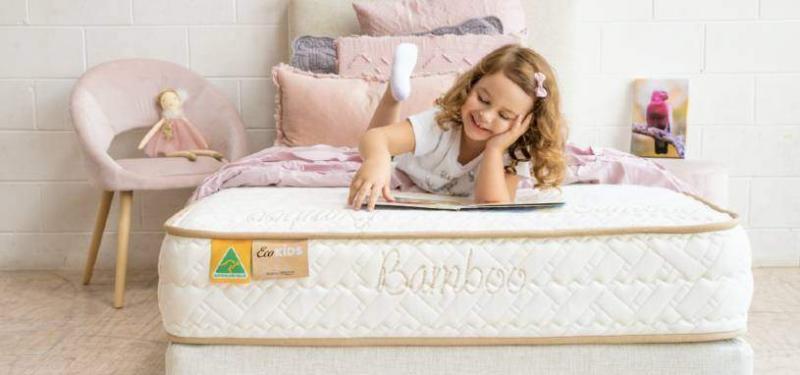
A hypoallergenic kids mattress in Australia is not a magic cure, but it can make it easier to manage triggers at night. The right mattress uses safer, low‑odour materials, supports a growing spine and works well with protective covers and good cleaning routines. Eco Kids mattresses are designed with exactly this kind of allergy‑aware environment in mind.
You can explore Eco Kids mattresses here:
Eco Kids Mattresses
What “hypoallergenic” really means for kids’ mattresses
“Hypoallergenic” is often used on labels, but it does not mean a mattress contains zero allergens or will prevent all reactions.
Realistically, a hypoallergenic kids mattress aims to:
- Use materials less likely to cause irritation for most children.
- Reduce places where dust mites and allergens can build up deeply.
- Work well with dust‑mite‑resistant protectors and washable bedding.
It does not:
- Replace medical treatment or action plans for allergies and asthma.
- Guarantee your child will never react in the bedroom.
Think of a hypoallergenic kids mattress Australia families can trust as a safer foundation. You still layer protectors, washing routines and broader allergy management on top.
Why the mattress matters for allergies and sensitivities
Most triggers do not start in the mattress but they often end up there.
Common bedroom triggers include:
- Dust mites and their droppings.
- Household dust and pet dander.
- Mould spores in damp rooms.
- Strong chemical odours or emissions from some foams and fabrics.
Over time, a mattress that is hard to protect or made with harsh materials can become a quiet source of irritation. A kids mattress for allergies should make it easier to keep the sleep surface clean, low‑odour and well‑protected.
Non‑toxic kids mattress: what Australian parents should look for
“Non‑toxic” is about reducing unnecessary exposure to certain chemicals and emissions in everyday use, especially during long sleep stretches.
Key features of a non toxic kids mattress:
- Low‑odour design
- Minimal “new mattress smell,” which some sensitive kids find irritating.
- Carefully chosen foams and fabrics
- Materials selected to avoid certain harsh substances where possible.
- Built for close, long‑term contact
- Designed with sleeping children in mind, not just showroom appearance.
Eco Kids focuses on low‑tox, kid‑appropriate materials, giving parents extra confidence about what their child is sleeping on every night.
OEKO‑TEX kids mattress and other certifications
Independent testing and certifications can give useful reassurance about materials.
For kids, parents often look for:
- Textile and foam safety testing
- Certifications that check fabrics and foams for a wide range of potentially harmful substances.
- Emissions standards
- Testing focused on low chemical emissions over time, supporting a cleaner indoor air environment.
An OEKO‑TEX kids mattress or similar certified design does not make a mattress “allergen‑free,” but it supports the idea of a cleaner, low‑odour sleep environment especially important for allergy‑ and asthma‑prone children.
Support and firmness still matter for sensitive kids
When you are focused on sensitivities, it is easy to forget about fundamentals like support and firmness. They still matter.
A good hypoallergenic kids mattress should also:
- Support a growing spine properly
- Medium‑firm is often ideal: firm enough for alignment, cushioned enough for comfort.
- Avoid being too thin or flimsy
- Very thin or cheaply made mattresses wear quickly and can feel lumpy, making sleep more restless.
- Be sized appropriately
- Single and king single sizes usually suit kids and teens in Australian homes.
Better support usually means better sleep, which can help your child cope with allergy symptoms during the day.
How most allergen‑blocking actually happens
The mattress is the foundation; most of the blocking work happens above it.
Important layers:
- Waterproof, breathable mattress protector
- Stops sweat, spills and night‑time accidents from soaking into the mattress.
- Makes it easier to keep the sleep surface clean and fresh.
- (Optional) dust‑mite‑resistant encasement
- Fully encloses the mattress if dust mites are a major trigger and your health professional recommends this.
- Pillow protectors
- Pillows sit closest to your child’s breathing zone; protectors and regular hot washing matter here too.
- Washable sheets and doona covers
- Natural‑fibre bedding that can handle regular hot washes is ideal.
These layers turn a hypoallergenic kids mattress Australia option into a complete allergy‑aware bed.
Simple bedroom habits to support an allergy‑friendly mattress
Once you have chosen a non‑toxic, hypoallergenic mattress, a few routines help it perform at its best.
- Wash bedding weekly
- Use hot water where care labels allow to help reduce dust‑mite levels.
- Vacuum and dust regularly
- Focus on floors, soft furnishings and around the bed.
- Use a damp cloth for dusting so particles do not just float back into the air.
- Limit dust‑collecting clutter
- Keep piles of clothes and extra soft toys off the bed.
- Wash favourite soft toys regularly according to their care labels.
- Keep pets off the bed (if they are a trigger)
- Pet dander is a common allergen; limiting animal time on the bed can help.
These habits complement the benefits of a well‑chosen kids mattress for allergies.
How Eco Kids mattresses fit into an allergy‑aware setup
Eco Kids mattresses are designed specifically for children, with:
- Support tuned to kids’ lighter bodies and growing spines.
- Low‑tox, carefully selected materials ideal for sensitive sleepers.
- Breathable construction that pairs well with protectors and natural‑fibre bedding.
When you combine an Eco Kids hypoallergenic kids mattress Australia parents can trust with a good protector and sensible routines, you are creating a cleaner, calmer place for your child to rest even in peak allergy season.
Explore the range here:
Eco Kids Mattresses
FAQs: hypoallergenic kids mattress Australia
Does a hypoallergenic kids mattress stop allergies completely?
No. A hypoallergenic kids mattress can reduce some triggers and make it easier to manage dust mites, dust and chemical odours, but it does not replace medical treatment or eliminate all allergens from a room.
What should I look for in a kids mattress for allergies?
Focus on a supportive, breathable mattress made from low‑odour, carefully chosen materials, and make sure it works well with washable protectors. Hypoallergenic or non‑toxic design, plus easy cleanability, matters more than any single ingredient.
Is an OEKO‑TEX kids mattress worth it?
A mattress that uses certified foams or fabrics can give extra reassurance that those materials have been tested for many harmful substances. It is a helpful layer of confidence for parents of allergy‑ and sensitivity‑prone children.
Do I need a fully organic kids mattress?
Not necessarily. Organic components (like organic cotton covers) can be helpful, especially if you value natural fibres or have a child with very sensitive skin. But a well‑designed low‑tox mattress with good protectors and washing routines can also work very well.
Are Eco Kids mattresses suitable for allergy‑prone children?
Eco Kids mattresses are built around low‑tox, kid‑appropriate materials and supportive construction, making them a strong option for allergy‑prone children when paired with a good protector, breathable bedding and regular cleaning routines.


