



For many Aussie families, weekends bring the age-old question:
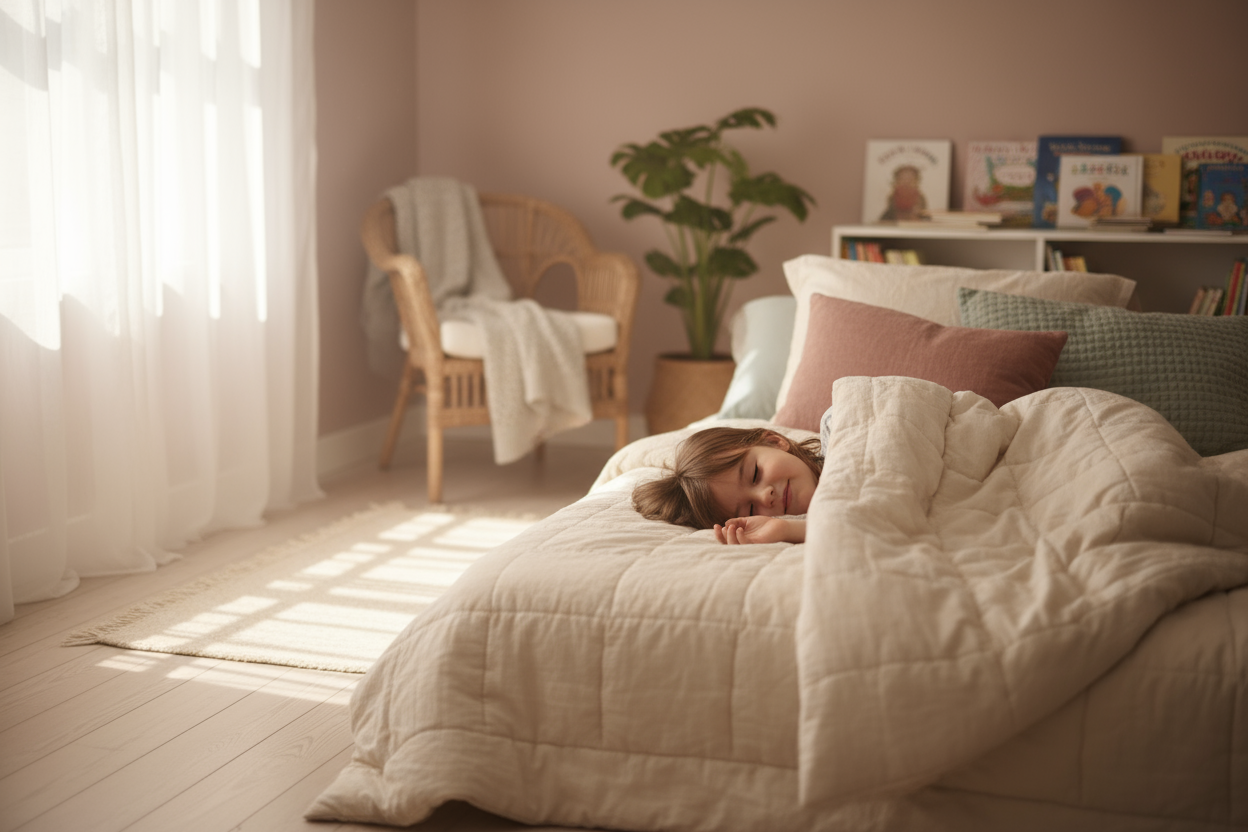
Should you let the kids sleep in — or stick to a strict wake-up time?
While some parents worry that late mornings could disrupt routines, sleep experts say there’s more to the story. Letting your child sleep in — within reason — can actually benefit their health, mood, and development.
The Science Behind Sleep
According to paediatric sleep specialists, sleep isn’t just rest. It’s when a child’s body and mind do their most important work:
-
The brain processes information and memories from the day
-
The body releases growth hormones
-
The immune system recharges
If your child is catching up on lost sleep after a busy school week, allowing them to sleep in occasionally helps restore balance and prevent long-term fatigue.
How Much Sleep Do Kids Need?
Sleep needs change as children grow:
-
Ages 3–5: 10–13 hours per night (including naps)
-
Ages 6–12: 9–12 hours per night
-
Teens: 8–10 hours per night
If bedtime has crept later due to schoolwork or activities, a weekend sleep-in can help them meet their total sleep requirement. Cutting this short often leads to mood swings, poor focus, and sluggish mornings.
The Role of Routine — and Flexibility
Consistency matters, especially for younger kids. But that doesn’t mean wake-up times must be identical every day.
Experts agree that a slight weekend sleep-in — an hour or so — is perfectly healthy. As long as your child’s bedtime and wake-up times stay within a predictable range, their circadian rhythm stays stable.
Occasional extra rest can even:
-
Reduce stress levels
-
Improve mood and emotional control
-
Strengthen immunity
Why Sleep Quality Matters More Than Sleep Quantity
Parents often focus on how long their child sleeps — but how well they sleep is just as important.
A child who sleeps 10 hours on a poor-quality mattress may wake up tired, while one who sleeps 9 hours on a supportive surface feels alert and happy.
The Eco Kids Mattress helps create the ideal sleep environment with:
-
60% stronger Chiro Flex ES spring system for spinal alignment
-
Breathable bamboo lyocell and natural cotton fabrics to prevent overheating
-
GECA-certified, chemical-free foam for safer, cleaner sleep
This combination promotes deep, restorative rest — the kind that truly helps kids recover and grow.
So, Should You Let Them Sleep In?
The expert answer: Yes — within reason.
If your child needs extra rest to make up for late nights or busy days, let them sleep a little longer. Just aim to:
-
Keep weekend wake-ups within 1–1.5 hours of weekday times
-
Maintain a consistent bedtime routine
-
Focus on creating a healthy sleep environment, not strict schedules
It’s not about laziness — it’s about listening to your child’s body and ensuring they get the rest they need.
Explore the Eco Kids Mattress — the Australian-made, expert-approved mattress designed to give kids the healthiest, most restorative sleep possible.
Frequently Asked Questions
Is it bad to let kids sleep in on weekends?
Not at all. Experts say a small sleep-in helps children catch up on rest and recover from busy weeks — as long as bedtimes and wake-up times stay consistent overall.
How much sleep should kids get each night?
Most school-aged children need 9–12 hours, and younger kids may need up to 13 hours. Teens often require 8–10 hours to support rapid growth and mental development.
How can I improve my child’s sleep quality?
Focus on a calming bedtime routine and a supportive, breathable mattress. The Eco Kids Mattress helps regulate temperature, support alignment, and reduce allergens for deeper, uninterrupted sleep.


