




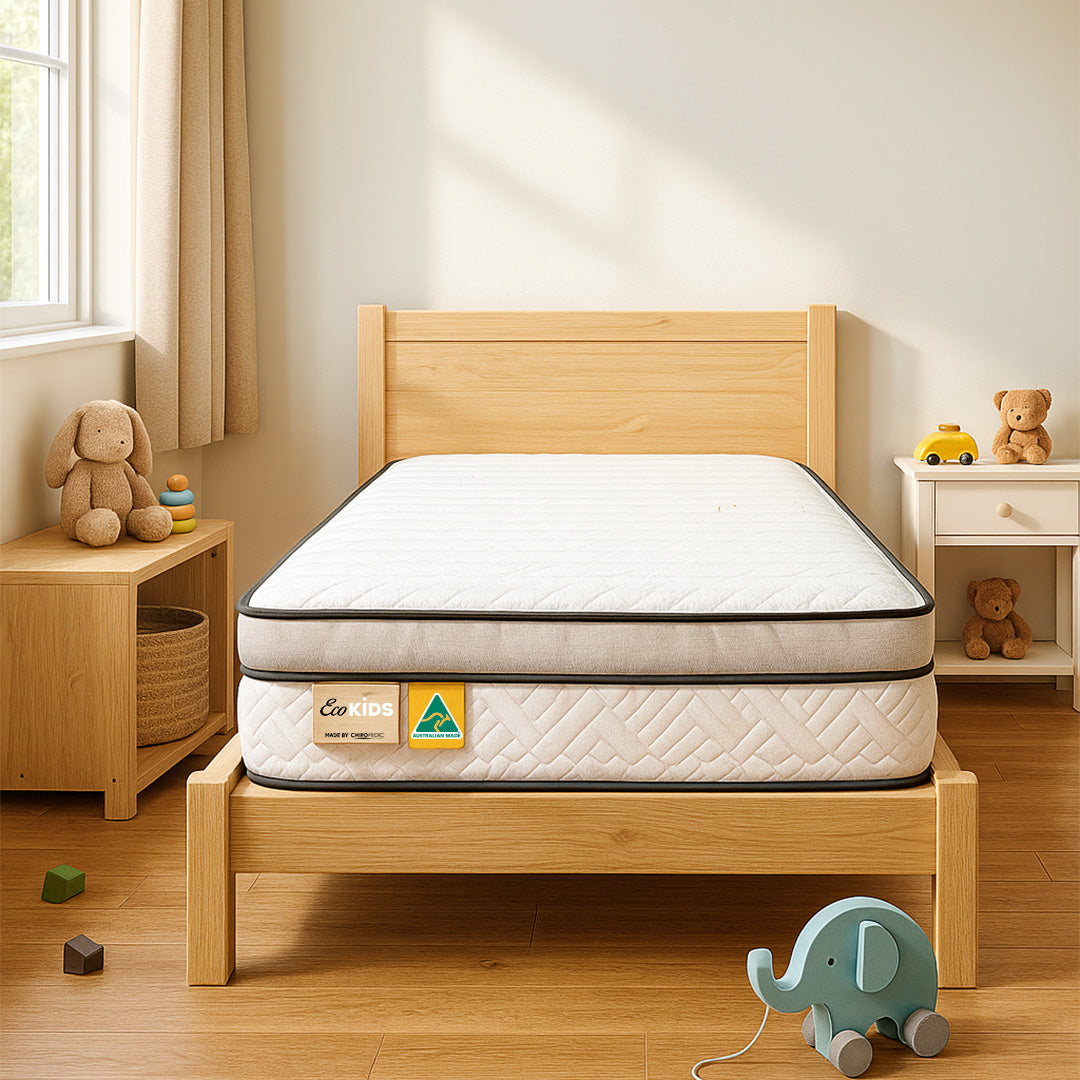
An organic and non-toxic mattress is designed to give you a healthier, cleaner sleep environment by using natural materials and avoiding many of the synthetic chemicals found in conventional beds. For health-conscious households, it can be an important step toward reducing everyday exposure to potential irritants and toxins while still enjoying comfort and support.
This guide explains what “organic” and “non-toxic” really mean in the mattress world, the key benefits for your health and home, and what to look for when choosing the best option for you.
What Is an Organic & Non-Toxic Mattress?
An organic mattress uses natural materials such as organic cotton, wool and natural latex that are grown and processed without synthetic pesticides, harsh chemical treatments or conventional dyes. A non-toxic mattress aims to minimise or avoid harmful substances like volatile organic compounds (VOCs), certain flame retardants, formaldehyde and other chemicals that can off-gas into your bedroom air.
Together, an organic and non-toxic mattress is designed to offer a safer, more environmentally conscious alternative to standard polyurethane foam mattresses, while still providing proper comfort and support.
Key Materials Used in Organic & Non-Toxic Mattresses
Most organic and non-toxic mattresses rely on a small group of natural materials that each play a specific role in comfort, support and safety.
-
Organic cotton
Used in covers and comfort layers, organic cotton is grown without synthetic pesticides and is valued for its softness, breathability and moisture-wicking properties. -
Natural latex
Derived from rubber tree sap, natural latex provides buoyant support, pressure relief and durability, and it does not rely on the petrochemicals used in many synthetic foams. -
Wool and other natural fibres
Wool adds natural temperature regulation and can contribute to fire resistance without the need for many chemical flame retardants. Other plant fibres such as flax, hemp or bamboo may be included for added breathability, resilience or sustainability.
These materials work together to create a mattress that is more breathable, supportive and aligned with eco-conscious values than many conventional designs.
Health and Comfort Benefits
One of the main reasons people switch to organic and non-toxic mattresses is to support better health and more restorative sleep.
-
Reduced chemical exposure
By avoiding or limiting VOCs, certain flame retardants and other additives, non-toxic mattresses can reduce the amount of potentially harmful chemicals you breathe in while you sleep. -
Hypoallergenic properties
Natural materials like organic cotton, wool and latex tend to resist dust mites, mould and mildew better than some synthetic foams, which can help people with allergies or asthma. -
Improved temperature regulation
Organic materials often breathe more effectively, helping the mattress stay cooler in summer and comfortably warm in winter. This can ease night sweats and support more stable sleep. -
Comfort and support
Quality natural latex and well-constructed support systems can provide excellent pressure relief and spinal alignment, helping reduce aches and pains.
For families, these benefits can be particularly important for children, pregnant people and anyone with sensitivities or existing respiratory issues.
Environmental Benefits of Choosing Organic & Non-Toxic
Beyond personal health, organic and non-toxic mattresses are designed to have a lower impact on the planet.
Using organic fibres supports farming practices that avoid synthetic fertilisers and pesticides, helping protect soil, water and biodiversity. Many natural materials are also biodegradable or more easily recyclable than synthetic foams, which can reduce long-term landfill waste.
Some manufacturers additionally focus on responsible sourcing, reduced manufacturing emissions and more sustainable packaging, making an organic and non-toxic mattress part of a broader move toward more sustainable sleep solutions.
How to Choose an Organic & Non-Toxic Mattress
When you are ready to choose, it helps to have a clear checklist so you can compare options confidently.
-
Check the materials list
Look for organic cotton, wool, natural latex and other recognisable natural fibres rather than primarily synthetic foams and fabrics. -
Look for a non-toxic design
Seek out mattresses that clearly state they are free from certain flame retardants, formaldehyde and high-VOC adhesives, and that focus on low-emission construction. -
Assess firmness and support
Choose a firmness level that suits your sleeping position and body type; side sleepers often prefer medium to medium-soft, while back and stomach sleepers may need something a little firmer. -
Consider your budget and longevity
Organic mattresses can cost more upfront, but durable natural materials often last longer, which may make them cost-effective over time.
If you are unsure, starting with your main priorities—such as hypoallergenic performance, temperature control or overall sustainability—can help narrow down the best organic and non-toxic mattress for your needs.
For families looking for a safer, more natural option specifically designed for growing bodies, explore the range of Eco Kids mattresses, made with natural, non-toxic materials to support healthier, more restorative sleep.
Frequently Asked Questions
What makes a mattress “organic”?
A mattress is considered organic when its main materials, such as cotton, wool or latex, are grown and processed according to organic standards that restrict synthetic pesticides, fertilisers and certain chemical treatments.
How is a non-toxic mattress different from a regular mattress?
A non-toxic mattress is designed to minimise or avoid chemicals like high-VOC adhesives, certain flame retardants and formaldehyde that can off-gas into your home, whereas many conventional mattresses use more petrochemical-based foams and treatments.
Are organic mattresses better for people with allergies?
Organic mattresses can be a good choice for people with allergies because natural materials like cotton, wool and natural latex are often hypoallergenic and less likely to trap dust mites, mould and other common irritants.
Do organic and non-toxic mattresses last as long as conventional mattresses?
High-quality organic and non-toxic mattresses are typically very durable, with natural latex and well-made natural fibre layers often maintaining their support and comfort for many years when properly cared for.


